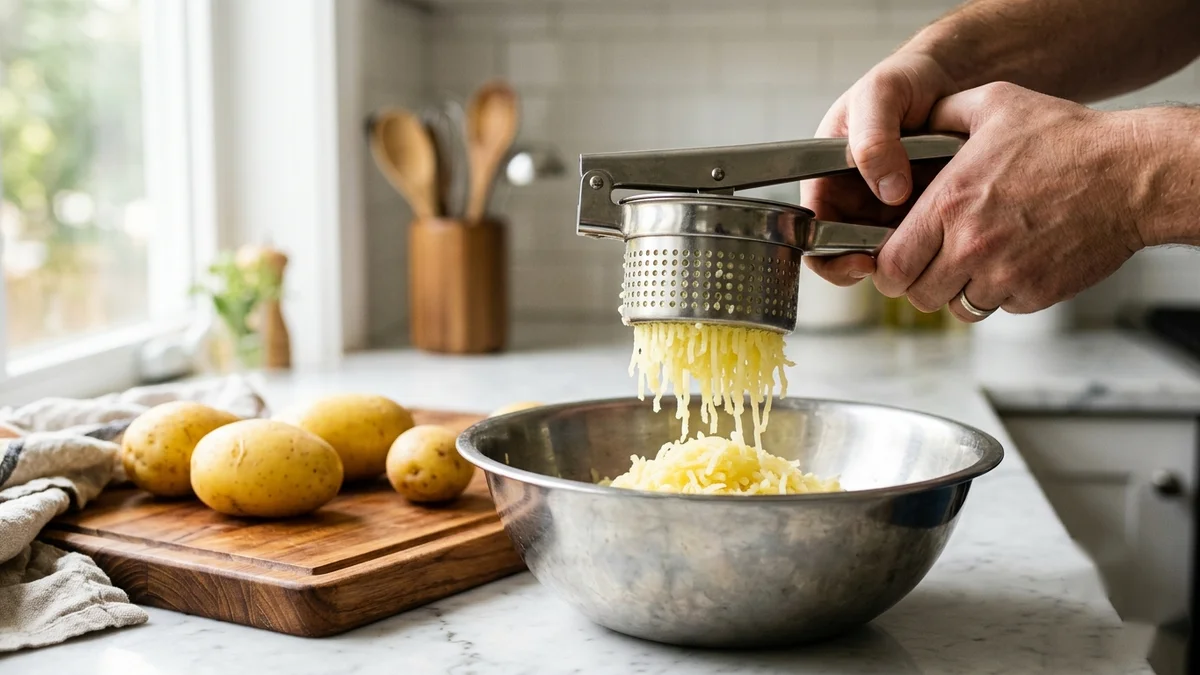
The best potato ricer for most kitchens is the Joseph Joseph Helix ↗, at $24.95 the one model that replaces the two-handle squeeze with a twist. Rotating its top like a corkscrew converts easily into press force, so it needs far less grip strength than lever ricers, and it splits into two dishwasher-safe halves. If you want one tool for mash, spaetzle, and baby food, the OXO Good Grips 3-in-1 changes texture with a dial, and the PriorityChef is the all-stainless value pick at about $20.
We compared current Amazon product data and specs across the category: press mechanism, hole size, basket capacity, materials, and cleanup design. Here is how the field sorts out.
The Best Potato Ricers, Compared
Product names link to the current Amazon listing.
| Rank | Ricer | Price (September 20, 2026)* | Mechanism | Capacity / Holes | Size and weight |
|---|---|---|---|---|---|
| #1 · Our pick | Joseph Joseph Helix ↗ Best overall | $24.95 | Twist-action helix | Fine fixed plate | 3.6 × 3.7 × 10.4 in · 1.1 lb |
| #2 | OXO Good Grips 3-in-1 ↗ Most versatile | $39.95 | Lever, dial disc | Fine, medium, coarse | 5.0 × 5.5 × 16.6 in · 1.4 lb |
| #3 | Chef’n FreshForce ↗ Easiest squeeze | $59.99 | Dual-gear lever | Fine fixed plate | 15.0 × 5.0 × 5.0 in · 1.4 lb |
| #4 | PriorityChef 15oz ↗ Best value | $21.99 | Classic lever | 15 oz, 3 mm fine | 12.5 × 4.0 × 4.5 in · 1.3 lb |
| #5 | Sopito 22oz ↗ Best for big batches | $19.98 | Classic lever | 22 oz, fine | 11.5 × 3.2 × 4.0 in · 1.5 lb |
*Prices checked September 20, 2026 and change often; check the live listing. Dimensions and weights come from each product’s current Amazon listing data; an em dash means the listing does not publish that figure.
How We Chose
We compared current Amazon product data and manufacturer specs across the potato ricer category: mechanism design, basket capacity, hole size, materials, dishwasher safety, model longevity, and price positioning. We did not run a lab test, and we do not repeat star ratings or review counts, because Amazon’s product data feed does not publish them. Where a claim comes from the brand itself, we say so.
The 5 Best Potato Ricers
1. Joseph Joseph Helix: Best Overall

Every classic ricer asks the same price: a hard two-handed squeeze, repeated for every basket load. The Joseph Joseph Helix is the one mainstream design that refuses. You twist its top instead, and the helix thread turns that rotation into downward press force the way a corkscrew pulls a cork. The practical result is that people with average or below-average grip strength can rice a full batch without hand fatigue.
The two-piece stainless-and-nylon body is the other half of the argument. It separates into halves with no hinge pocket for starch to cake into, both go in the dishwasher, and the tool stores upright at 10.5 inches tall rather than lying across a drawer like a lever ricer. At $24.95 it sits mid-pack on price while being the least effort to use and the least effort to clean, which is exactly the combination a tool like this should win on.
Pros:
- Twist action needs far less grip strength than any lever press here
- Splits into two open, dishwasher-safe halves; nowhere for starch to hide
- Compact upright storage footprint
Cons:
- Fixed fine plate only; no coarse texture option
- Smaller basket than the big lever models, so more loads per batch
2. OXO Good Grips 3-in-1 Adjustable: Most Versatile

Most ricers give you one texture. The OXO Good Grips 3-in-1 gives you three from a single stainless disc: twist the dial and the plate rotates between fine, medium, and coarse without any spare discs to swap, wash, or lose in a drawer. OXO describes the rotating-disc mechanism as patented, and no other mainstream ricer matches it.
That range is what earns the second slot. Fine handles formal mashed potatoes and gnocchi, medium drops spaetzle batter cleanly, and coarse presses vegetable purees and baby food without turning them to paste. The soft non-slip handles are classic OXO, the whole tool is dishwasher safe, and at $39.95 it costs less than the heavy-duty gear model below while covering more jobs.
Pros:
- Dial-adjustable fine, medium, and coarse texture; no loose discs
- One tool covers mash, gnocchi, spaetzle, purees, and baby food
- Cushioned non-slip grips; dishwasher safe
Cons:
- A standard lever press, so it still demands real squeeze force
- The dial mechanism adds parts where starch can lodge; rinse promptly
3. Chef’n FreshForce: Easiest Squeeze for Big Batches
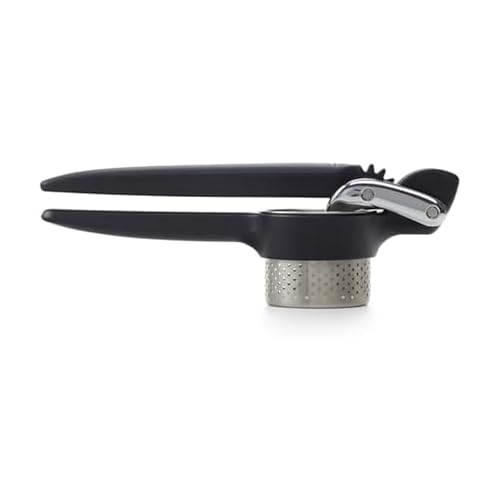
The Chef’n FreshForce attacks the effort problem with gears instead of a twist. Its double-hinge mechanism multiplies the force your hands put in, and the brand claims up to 65 percent more pressing efficiency than a conventional ricer. Mechanically the claim is credible: a compound hinge lengthens the effective lever, so the same squeeze delivers more pressure at the plate.
It is the tool to pick when volume is the problem: holiday-scale batches, twice-a-week mash, or hands that tire on a standard lever but prefer a squeeze to the Helix twist. The stainless-and-nylon build is dishwasher safe, and its Amazon listing showed more than 300 sold in the past month when we checked. The catch is the price: at $59.99 it costs more than the winner and the value pick combined.
Pros:
- Dual-gear hinge multiplies hand force; the easiest squeeze of the lever designs
- Heavy-duty build suited to large, frequent batches
- Dishwasher safe
Cons:
- The most expensive ricer in this guide
- Bulkier head than a classic lever ricer; needs drawer room
4. PriorityChef Large 15oz: Best Value

The PriorityChef 15oz is the straightforward stainless workhorse of the category, and the market has voted for it: the listing carried Amazon’s number one bestseller badge in potato ricers when we checked, and the same model has sold continuously for over a decade. The formula is simple: an all-stainless body that will not flex mid-press, a 15 oz basket in the category-standard size, and fixed 3 mm fine holes, the size that produces classic lump-free mash.
There is no gear assist and no texture dial, so your hands do all the work and fine is the only output. At $21.99, that trade reads fairly: it is the least expensive pick in this guide and the one to buy if you rice potatoes a few times a month and want metal, not plastic, doing it.
Pros:
- All-stainless build at the lowest price here
- Fine 3 mm holes, the mash-friendly standard
- A decade-plus of continuous sales history
Cons:
- Plain lever press; the most hand effort per load of the top picks
- Handle edges are squared rather than cushioned; gloves help on marathon batches
5. Sopito 22oz: Best for Big Batches

Capacity is the Sopito 22oz’s entire argument, and it is a good one. The deep 22 oz basket holds roughly 50 percent more than the standard 15 oz ricers and takes whole cooked potatoes, up to about three cups by the brand’s count, without pre-cutting. For a five-pound holiday batch that means several fewer load-press-reload cycles, which is where lever ricing actually gets tiring.
The body is stainless steel, 304-grade per the manufacturer, and the price at $19.98 sits within pennies of the PriorityChef. The tradeoffs are physical: a fuller, deeper basket needs more force per press, and the bigger head takes up correspondingly more drawer space. Buy it for volume; buy the PriorityChef for routine.
Pros:
- 22 oz basket, roughly 50% more capacity per press than standard
- Takes whole potatoes without pre-cutting
- Stainless build at a budget price
Cons:
- Fuller basket means a harder squeeze per press
- Oversized head demands more storage room
Also worth knowing
The OXO Good Grips Stainless Steel Potato Ricer, the classic squeeze model with a pot-rest knob, remains in stock at about $35 but offers less than the 3-in-1 for similar money. The RSVP International SPUD, a rigid-plastic ricer with two swappable stainless plates, showed only a few units left in stock when we checked prices. The All-Clad Stainless Steel Potato Ricer is a premium all-stainless option sold mainly through the brand’s own channels; it had no live Amazon listing when we checked, so it is not ranked here.
Lever, Gear, or Twist: Which Ricer Mechanism Is Easiest?
Mechanism is the spec that decides how a ricer feels, more than material or brand. The physics sort the field into three tiers:
| Mechanism | How it works | Effort per press | Models here |
|---|---|---|---|
| Twist-action | A helix thread turns rotation into press force | Lowest | Joseph Joseph Helix |
| Dual-gear lever | A compound hinge multiplies hand force | Low to medium | Chef’n FreshForce |
| Classic lever | Direct squeeze, force in equals force out | Highest | OXO 3-in-1, PriorityChef, Sopito |
A classic lever is simple, cheap, and durable, but every ounce of pressure comes from your grip, and a full 22 oz basket raises the bill further. Gearing buys relief while keeping the familiar squeeze. The twist stands alone: rotation recruits your wrist and forearm instead of your finger flexors, which is why it suits weak or arthritic hands best.
Hole size is the other spec that changes the result. Around 3 mm produces the fine, dry strands that make fluffy mash and proper gnocchi. Coarser plates are not a downgrade; they are for different food: spaetzle, root-vegetable purees, and baby food all prefer the thicker cut, which is the case for the OXO dial or the SPUD’s swappable plates.
Which Potato Ricer Should You Buy?
- For most kitchens: the Joseph Joseph Helix is the best potato ricer overall, the least effort to press and the least effort to clean.
- For one tool that does mash, gnocchi, spaetzle, and baby food: the OXO Good Grips 3-in-1 is the best multi-texture ricer, three plates in one dial.
- For weak hands that still prefer a squeeze: the Chef’n FreshForce is the best geared ricer, multiplying the force your grip supplies.
- For the budget buyer: the PriorityChef 15oz is the best value potato ricer, all stainless with mash-perfect 3 mm holes at about $20.
- For holiday-scale batches: the Sopito 22oz is the best large-capacity ricer, pressing half again more potato per load.
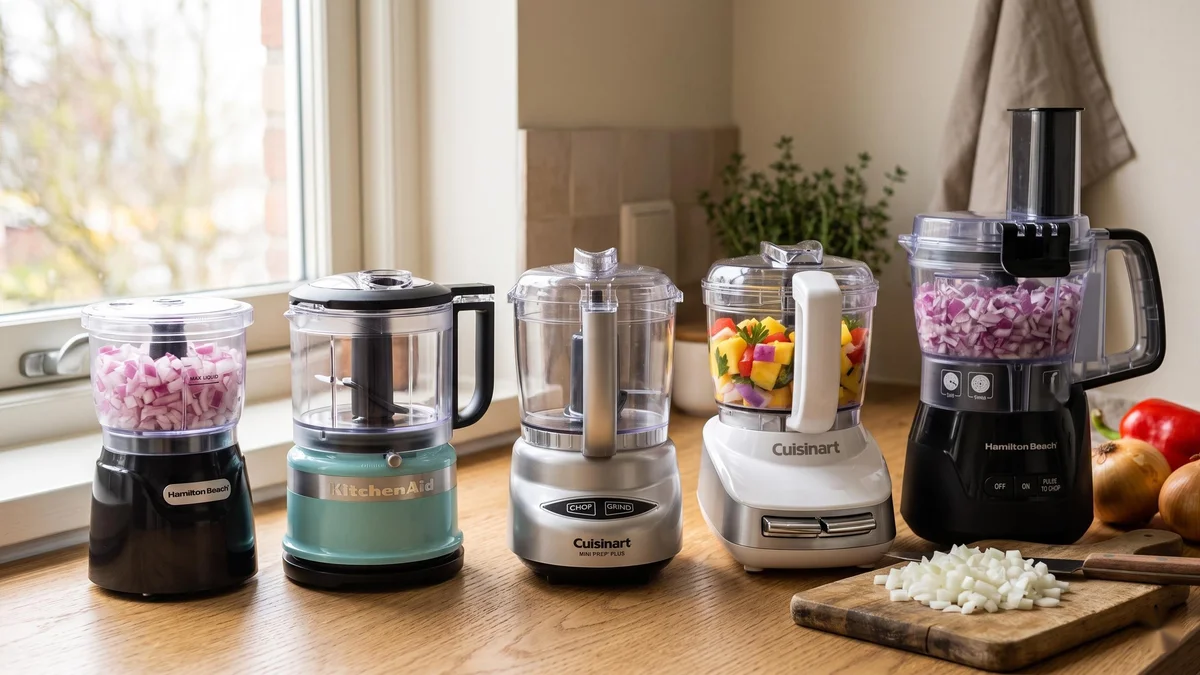
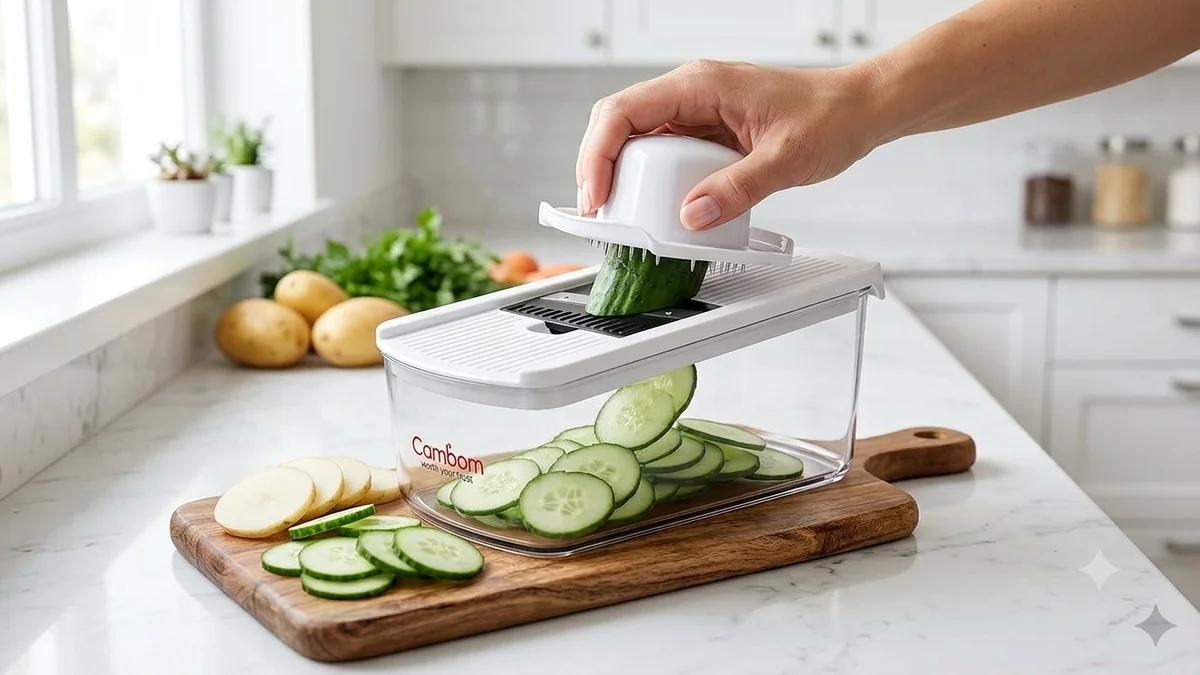
- For meal prep beyond potatoes: any fine-plate model here purees steamed cauliflower and soft vegetables; pair it with a vegetable chopper and the prep side of dinner is covered.
Frequently Asked Questions
What is a potato ricer and what does it do?
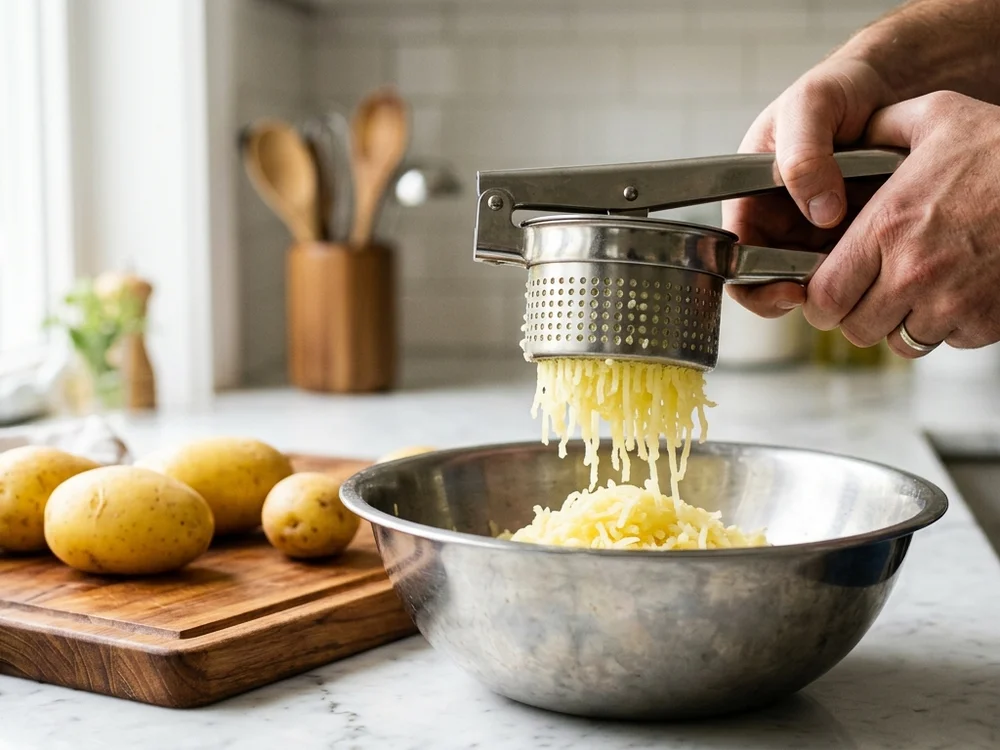
A potato ricer is a press that pushes cooked potato through a plate of small holes, turning it into fine, uniform strands that look like grains of rice. You load the basket, squeeze or twist, and the potato comes out fluffy and lump-free in one pass, ready to fold together with butter and cream.
Is a potato ricer better than a potato masher?
For smooth, fluffy mash, yes. A ricer processes the potato in a single gentle pass, so you stop working the starch the moment it leaves the basket. A masher needs repeated strokes, and the extra working is what turns mash gluey. A masher still wins if you like a rustic, chunky texture, since a ricer only makes one consistency: fine.
What is the best potato ricer?
The Joseph Joseph Helix is the best potato ricer for most kitchens. Instead of squeezing two long handles, you twist its top like a corkscrew, and the helix mechanism converts that rotation into steady press force. It takes far less grip strength than lever ricers, splits into two dishwasher-safe halves, and stores upright in a drawer-friendly footprint.
What hole size is best for mashed potatoes?
Fine holes of about 3 mm give the fluffiest, lump-free mash. That is the fixed size on the PriorityChef and the fine setting on the adjustable OXO 3-in-1. Medium and coarse plates leave visibly thicker strands, which suit spaetzle, baby food, and vegetable purees better than a formal mash.
Can you use a potato ricer for gnocchi and spaetzle?
Yes, and it is one of the best reasons to own one. Gnocchi wants the driest, most even potato you can get, which is exactly what a fine ricing pass produces. For spaetzle, a medium or coarse plate pressed over simmering water drops the batter in ready-sized strands. The OXO 3-in-1 covers both jobs with its texture dial, and the RSVP SPUD ships medium and coarse plates.
Do potato ricers work for cauliflower and baby food?
Yes. Steamed cauliflower rices into a light, low-carb mash base, and soft-cooked carrots, sweet potato, apples, and squash press into smooth purees for baby food. Softer vegetables carry more water than potatoes, so drain them well before pressing and expect a wetter result from the coarse plate.
Do you have to peel potatoes before ricing them?
No. Many cooks halve and boil potatoes with the skin on, then press the halves cut-side down: the flesh passes through the holes and most of the skin stays behind in the basket. It is a real time saver for big batches, though a stray fleck of skin can slip through, so peel first if you want a perfectly white mash.
How do you clean a potato ricer?
Rinse it before the starch dries, then let the dishwasher do the rest if the model allows it. Dried potato starch cakes into the holes and is tedious to brush out, which is why cleanup design matters: the Joseph Joseph Helix splits into two open halves with nowhere for starch to hide, and every pick in this guide is dishwasher safe.
What size potato ricer do you need for holiday batches?
Capacity is the spec to watch: 15 oz is the category standard, and the Sopito’s 22 oz basket holds roughly 50% more, taking whole potatoes without pre-cutting. Fewer load-and-press cycles matter when you are ricing five pounds for a holiday table, but the bigger basket also demands more force per press and more drawer space.